
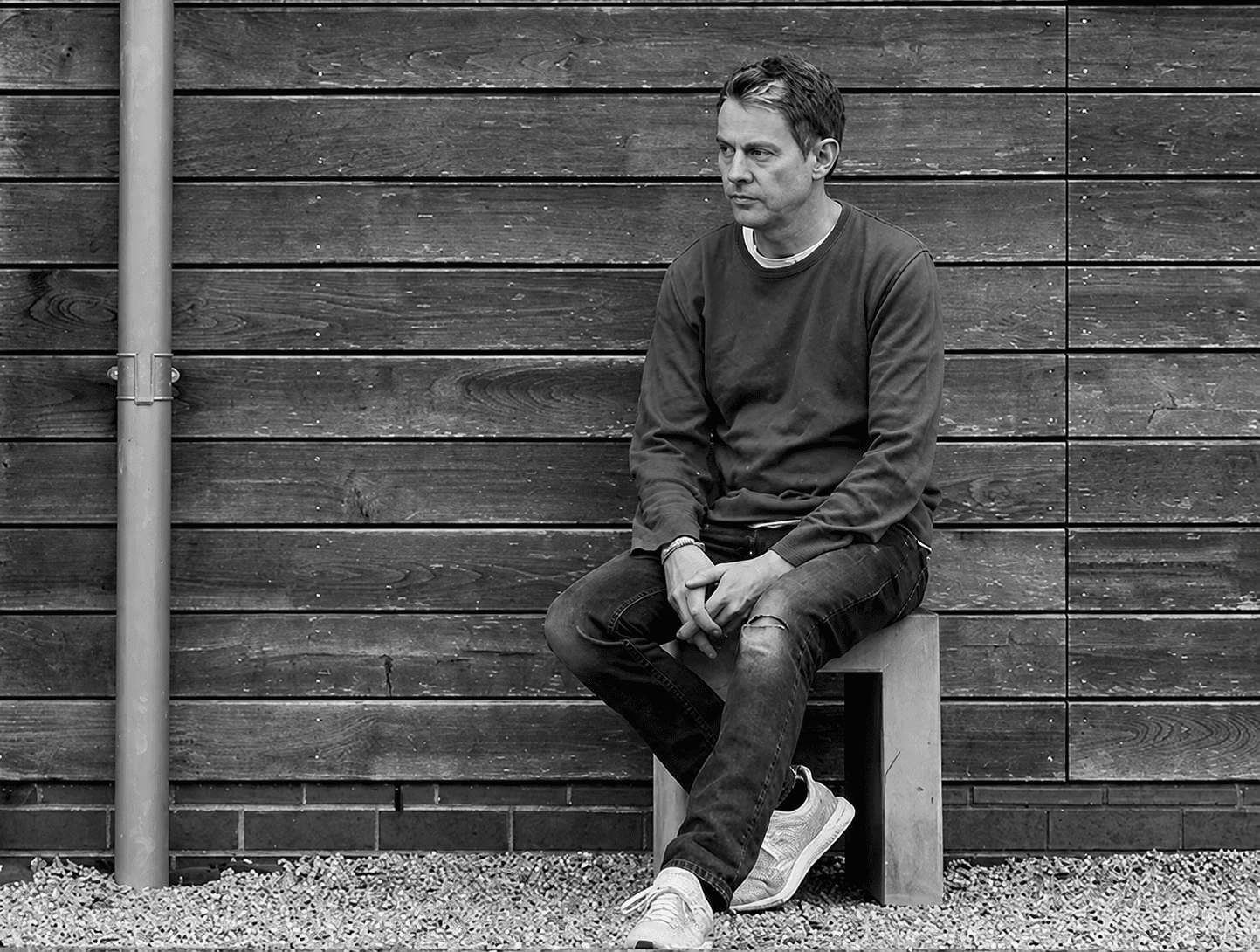
Artist Conversation
Performance
00:00–23:59, 16 OCT
Within the gallery, Bui and Glimcher will discuss with Liftin his new paintings and drawings on view, in which he translates photographic images refracted in a glass eye into meticulously hand-crafted renderings on canvas and paper. The resulting images both evoke and extend histories of pointillism and divisionism while sitting on the border between the human and the mechanical.
Glimcher’s written introduction to the show is featured in the gallery’s 125 Free Press publication.
Materials can be read at different speeds. A smooth surface may let the eye travel quickly, while an uneven texture holds attention within a smaller area. Yet neither impression remains fixed. A change in illumination can reveal slight variations within an apparently uniform plane; greater distance can gather a complex texture into a soft field of colour. Rather than reducing material to a few descriptive adjectives, it can be more useful to notice the circumstances under which its appearance changes.
The scale of a room and the position of a viewer can alter the impression of an object. Walls, floors, and unoccupied intervals form part of the encounter. Considering these surroundings makes it possible to approach an image as something situated within relationships, where distance is as significant as physical contact.
Scale is not experienced through measurement alone. A small element within a broad empty field can become unusually insistent, while a form that fills an image may recede into something like a background. Size acquires its character through relationships. Distinguishing between what demands attention and what withdraws from it helps reveal where the weight of a composition is carried, without assuming that the largest element must also be the most important.
Repeated forms can make small differences more apparent. An interruption within a regular sequence turns repetition into a condition for change rather than a simple act of copying. Looking across the whole and comparing individual elements become alternating activities, each revealing information that the other leaves less visible.
Sometimes the distinction between foreground and background remains uncertain. Overlap, transparency, and changes in brightness suggest depth without establishing a single stable arrangement. Choosing one layer as a reference can make the others seem to move. Experiencing this provisional space loosens the expectation that an image can be understood all at once. The uncertainty becomes part of the encounter rather than a problem that must immediately be solved.
Personal memories enter the experience of an image. A familiar colour or texture may suggest a place, although the association will vary from person to person. Instead of treating interpretation as the discovery of a single answer, this approach considers how earlier experiences participate in what becomes visible in the present.
Imagining an unseen side is also part of looking. An edge implies that another surface continues beyond it without making every part available. A viewer assembles a provisional understanding from what is exposed and what remains concealed. That understanding may change with the next shift of position. Allowing for such revisions makes an image feel less like a finished packet of information and more like an experience that continues to develop.
Boundaries between inside and outside, or between flatness and volume, are not always stable. Looking at edges where elements meet or overlap raises questions about how distinctions are formed. An edge can separate one thing from another while also providing a place where an unexpected connection becomes possible.
When irregular marks appear beside carefully ordered areas, their difference raises questions about making. Appearance alone cannot establish an actual production method, but it can suggest movements to consider. Words such as pressing, wiping, accumulating, and erasing offer alternatives to describing only a finished shape. These verbs allow a static surface to be approached through imagined actions while keeping the distinction between observation and factual knowledge clear.
A viewer’s body continually changes position during an encounter. A small step forward or sideways alters proportion, reveals another edge, and rearranges the surrounding view. These ordinary movements suggest that looking is a process unfolding through physical adjustments, rather than an entirely fixed or detached moment.
A line can connect two points or interrupt a movement. Following a direction across an image, the eye encounters a break and looks for a continuation. When none is offered, the pause itself remains. Before seeking a symbolic meaning, it can be useful to retrace the route that attention has actually taken. Such a route may include hesitation, a return, or a sudden change of direction, giving the image a particular pace.
Light and darkness make one another perceptible. Following a reflected highlight or the depth of a shadow reveals both an object’s structure and the conditions surrounding it. Illumination is therefore not only a means of making something visible; it also participates in the changing character of what is seen.
Spending more time does not always produce a fuller explanation. It may reveal that an initial description was inadequate, or leave two apparently contradictory impressions in place. Understanding does not have to move only towards greater simplicity.
VESSLS, 7 Gyeongin-ro 77ga-gil, Yeongdeungpo-gu, Seoul, Korea
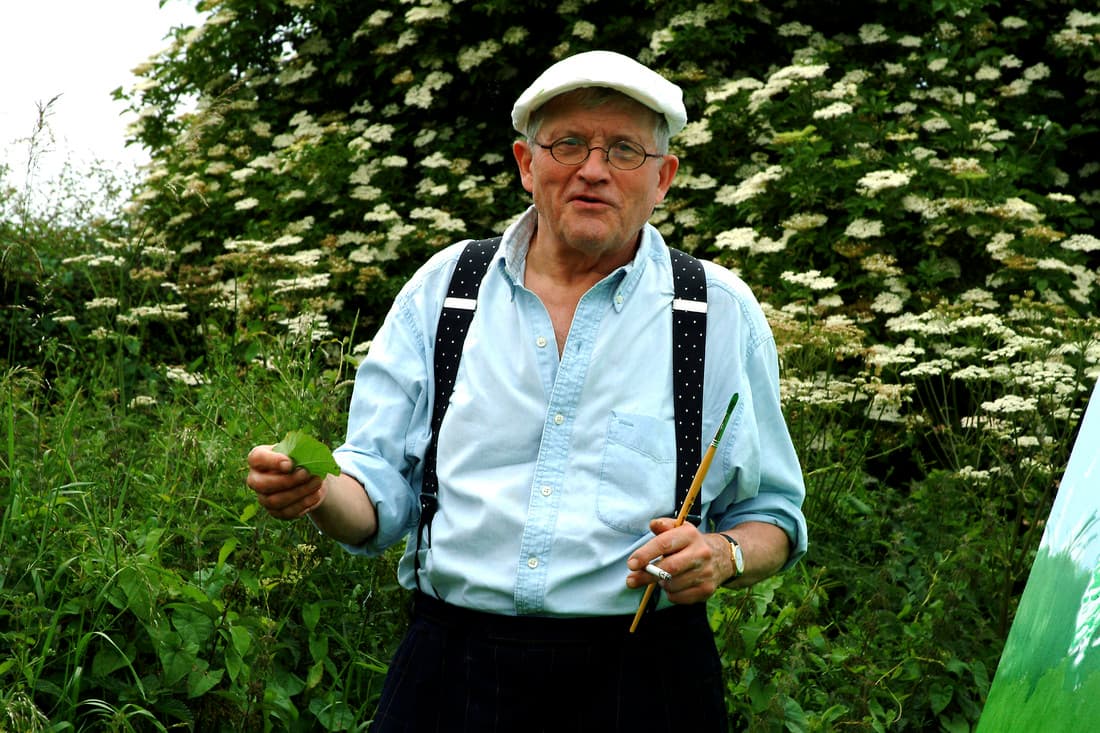
Chris Ro
An encounter often begins with a sensation that arrives before an explanation. We may stop without knowing precisely what has attracted our attention. Given a little time, a mark, an unexpected proportion, or a colour that seems out of place begins to emerge from the surrounding field. The first impression does not need to become a conclusion immediately. Leaving it unresolved while looking elsewhere, then returning, can reveal how one small detail has altered the character of the whole. A surface absorbs and reflects light, producing different impressions of depth within a single form. Seen closely, small marks become prominent; viewed from a distance, they become part of a larger outline. Moving between these positions allows a material to be understood through several kinds of attention. Looking need not become a test of specialist knowledge. Remembering what appeared first, or where a movement slowed, is already a useful beginning. Another person’s description may offer a point of comparison, but agreement is not the only possible outcome. A difference between what is written and what is experienced can itself become something worth considering.
The time spent looking is also time spent remaining with a particular scene. Differences in colour and direction may become noticeable only after an initial impression has settled. Returning to an apparently familiar detail can change its importance, revealing how a brief glance and sustained attention create different experiences. Materials can be read at different speeds. A smooth surface may let the eye travel quickly, while an uneven texture holds attention within a smaller area. Yet neither impression remains fixed. A change in illumination can reveal slight variations within an apparently uniform plane; greater distance can gather a complex texture into a soft field of colour. Rather than reducing material to a few descriptive adjectives, it can be more useful to notice the circumstances under which its appearance changes. The scale of a room and the position of a viewer can alter the impression of an object. Walls, floors, and unoccupied intervals form part of the encounter. Considering these surroundings makes it possible to approach an image as something situated within relationships, where distance is as significant as physical contact. Scale is not experienced through measurement alone.
A small element within a broad empty field can become unusually insistent, while a form that fills an image may recede into something like a background. Size acquires its character through relationships. Distinguishing between what demands attention and what withdraws from it helps reveal where the weight of a composition is carried, without assuming that the largest element must also be the most important. Repeated forms can make small differences more apparent. An interruption within a regular sequence turns repetition into a condition for change rather than a simple act of copying. Looking across the whole and comparing individual elements become alternating activities, each revealing information that the other leaves less visible. Sometimes the distinction between foreground and background remains uncertain. Overlap, transparency, and changes in brightness suggest depth without establishing a single stable arrangement. Choosing one layer as a reference can make the others seem to move. Experiencing this provisional space loosens the expectation that an image can be understood all at once. The uncertainty becomes part of the encounter rather than a problem that must immediately be solved.